THE PROBLEM
Why it kept failing
Early systems lacked foolproof synchronisation, could not fill a theatre from a horn phonograph and recorded sound that was less than realistic.
Compare the systems
 doodlehollywood
FILM HISTORY, IN PLAIN ENGLISH
IN SYNC at last
Sound films were tried for 30 years before they worked.
From 1896, dozens of systems tried to play a record alongside a film, and almost all failed. Then electrical recording, loudspeakers and a single motor driving picture and sound together changed everything, fast.
Updated
Compare the systemsTHE SHORT ANSWER
A Library of Congress essay names the three
reasons early sound films kept failing.
THE PROBLEM
Early systems lacked foolproof synchronisation, could not fill a theatre from a horn phonograph and recorded sound that was less than realistic.
Compare the systemsSOUND-ON-DISC
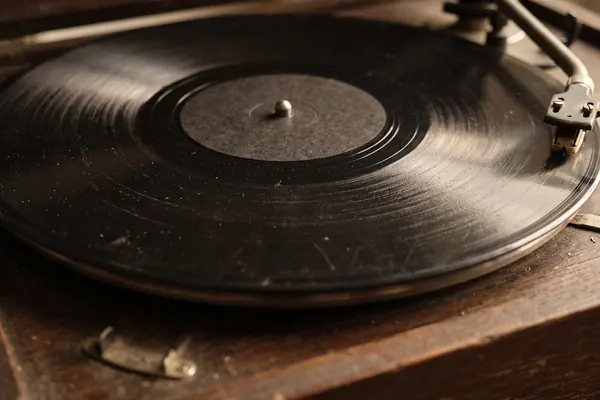
A 1920s system used a 16-inch disc at 33⅓ rpm, driven by the same shaft and motor as the projector, so picture and sound stayed together.
See the numbersSOUND-ON-FILM
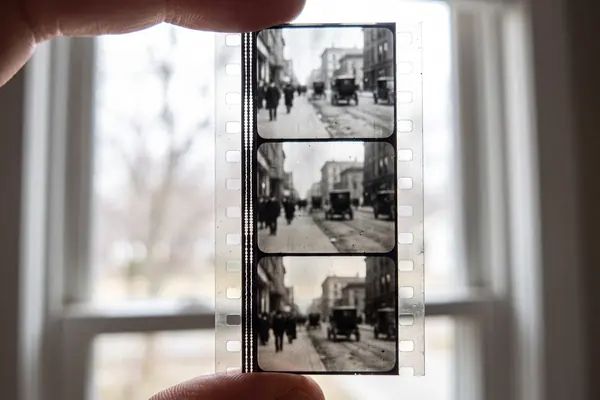
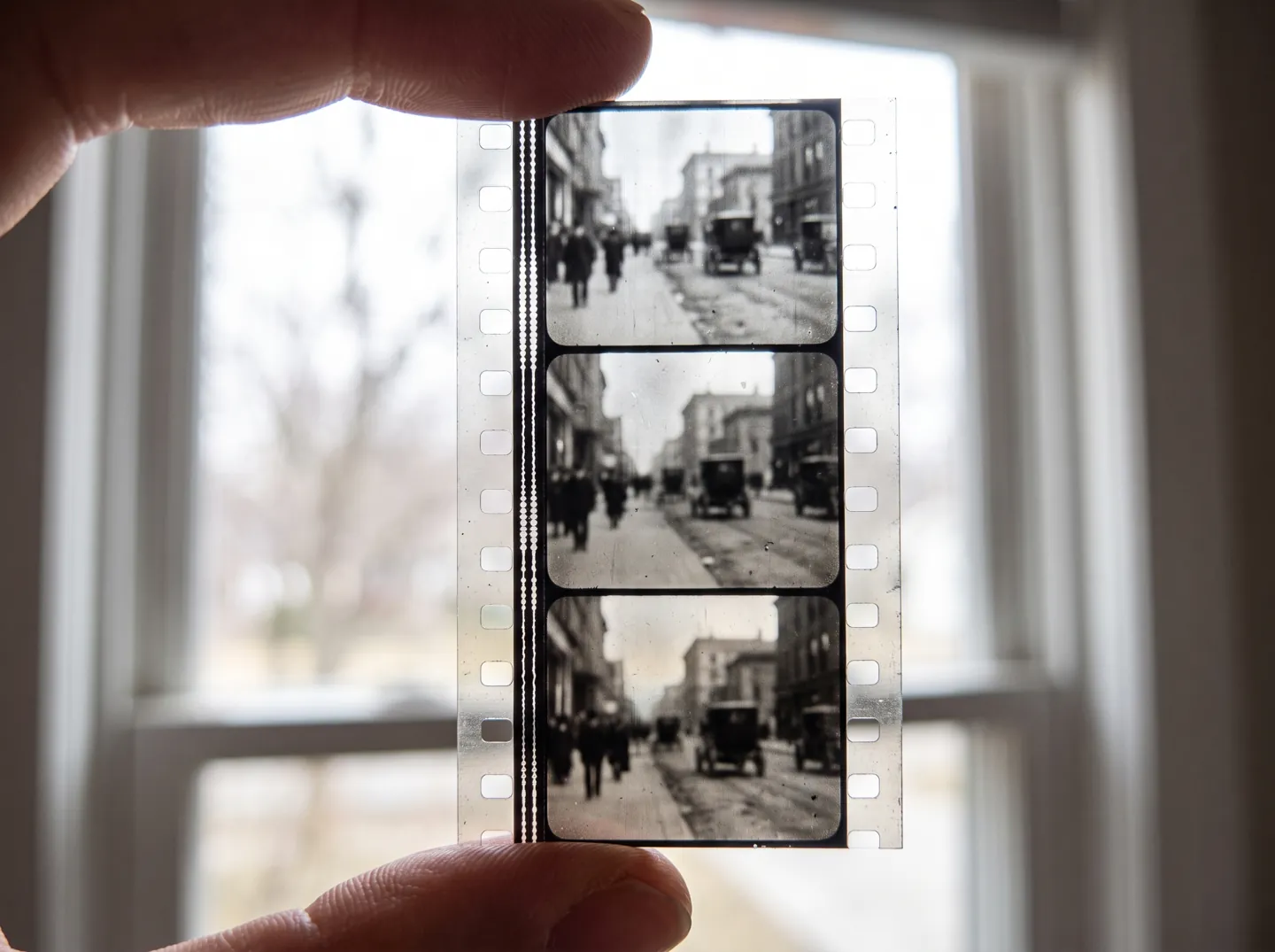
Optical sound recorded the soundtrack on the film strip itself. One surviving 1927 projector has heads for both methods, but disc sound did not last.
How it changed setsCOMPARE THE SYSTEMS
Pick a method. The bar shows how well it solved the synchronisation problem, as museum and archive sources describe it.
Drawn from the Library of Congress National Film Registry essay on The Jazz Singer, the Museum of the Moving Image and the UCLA Film and Television Archive.
TWO NUMBERS WORTH KNOWING
Both figures come from the Library of Congress
essay on the first successful talking feature.
≈ 2 minutes
Spoken dialogue in the famous 1927 talking feature
The Jazz Singer was largely silent, with music and sound effects, and just 2 minutes of actual dialogue. It premiered in two theatres on 6 October 1927.
DIALOGUE · LIBRARY OF CONGRESS
235
Theatres showing it by March 1928
It was then the only feature with dialogue and singing. By the end of 1929, about two years after its premiere, the essay says the silent picture was dead.
SPREAD · LIBRARY OF CONGRESS
The Museum of the Moving Image dates the first paid public show using the sound-on-disc system to 6 August 1926 in New York: music and sound effects, but no spoken dialogue in the feature.
WHAT SOUND CHANGED
The switch reached far beyond the projection booth. The sources describe a whole industry rebuilding itself.
A Hollywood studio was wired for sound in 1927 before the singing and talking scenes were shot over nine days.
Scenes were filmed with three cameras running together while the sound went onto a single disc master.
One song needed seven takes and another just two, each recorded with its sound onto the disc master.
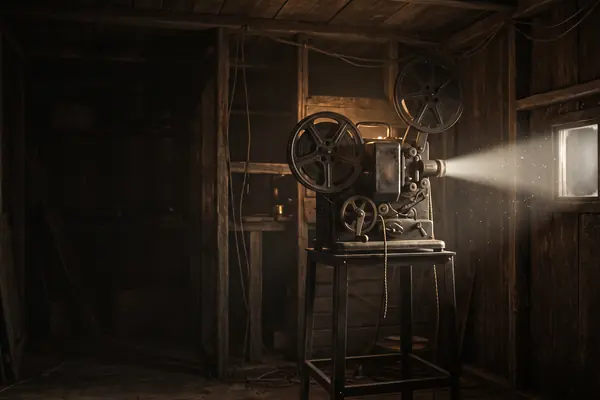
One surviving 1927 projector carries both a phonograph for sound-on-disc and an optical sound head for sound-on-film.
SAVING THE SOUND
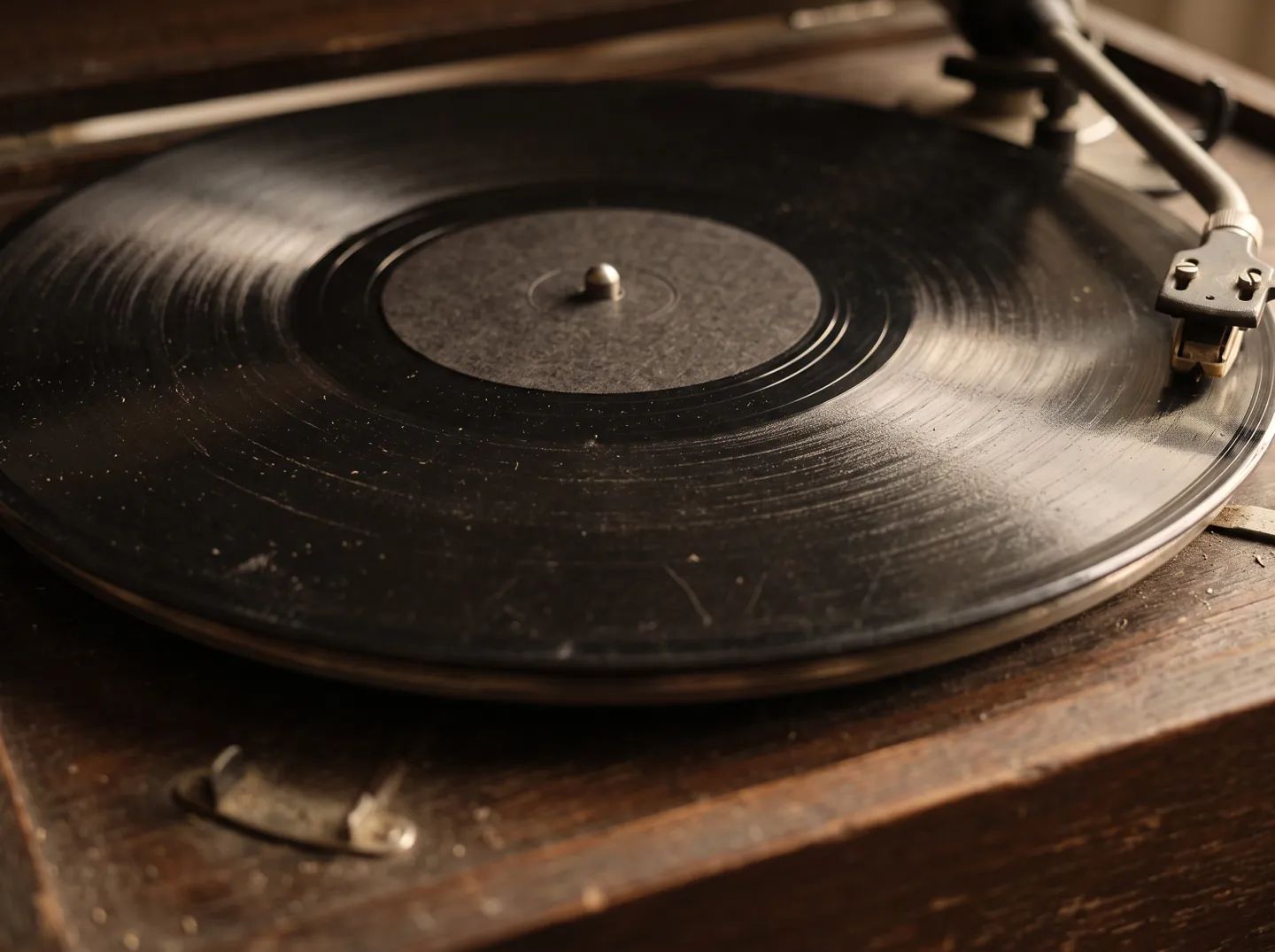
Because early sound sat on separate discs, many films survived without their soundtracks. A 1989 Museum of Modern Art programme showed restorations of films from 1926 to 1931 made with surviving discs transferred onto film soundtracks.
The Library of Congress essay notes a collectors' project, begun in 1991, has found nearly 600 soundtrack discs in private hands and helped restore nearly 150 sound shorts.
Questions
No. The Library of Congress essay says it was not the first or even the thousandth, but it was the first successful synchronised feature with talking.
Poor synchronisation, phonographs too quiet to fill a theatre and unrealistic acoustic recording, according to the Library of Congress essay.
The sound is recorded on a separate disc played in step with the projector. One 1920s system used 16-inch discs at 33⅓ rpm driven by the projector's own motor.
The soundtrack is recorded optically along the edge of the film strip, so picture and sound travel together. UCLA's history traces how it replaced disc sound.
Fast. By the end of 1929, about two years after the 1927 premiere, the Library of Congress essay says the silent picture was dead.
Sources
ABOUT THIS NAME
doodlehollywood.com is part of the DoodleSale portfolio. It isn't in an auction right now, but you can ask about leasing it.